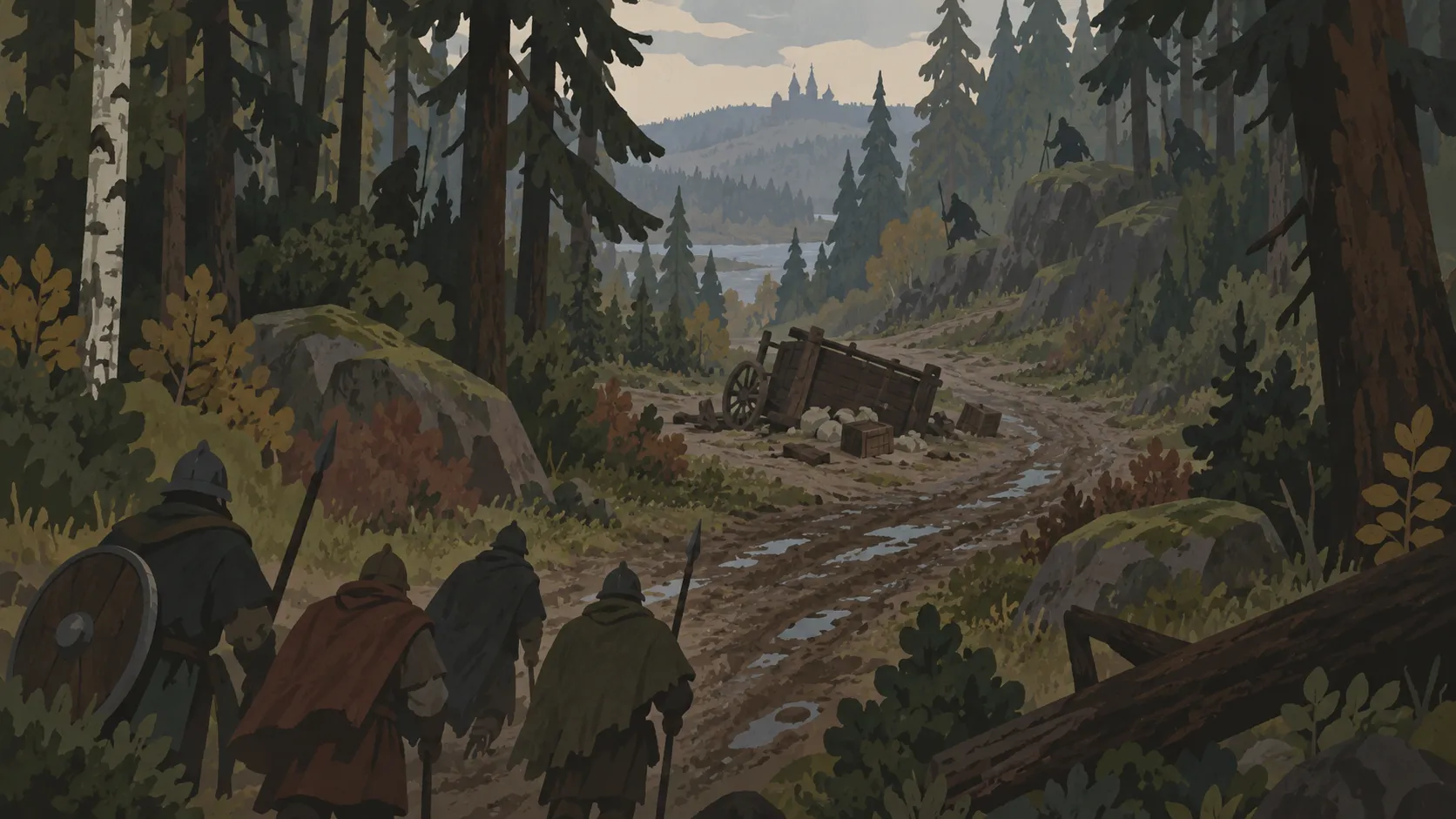
Tactical RPG · Warband management · Kyivan Rus’
Kenugard
Lead a small warband along the roads of the 12th–13th centuries. Every fighter has a name, every step on the field has a price, and wounds outlast the battle.
Where to play
About the game
Not just about winning the battle
Kenugard is a tactical RPG about a small warband that you have to command both on the battlefield and between battles.
In battle, position, stamina, turn order, weapons and the makeup of the squad decide the outcome. After the battle, the consequences don't just disappear: fighters need treatment, gear needs mending, and the next lineup has to be put together with an eye on who is still fit to fight.
You are unlikely to get away with finding four fighters you love, pouring everything into them and carrying them through the whole game. You have to develop the warband as a whole, prepare replacements for key fighters and keep thinking not only about the current battle but about the next one.
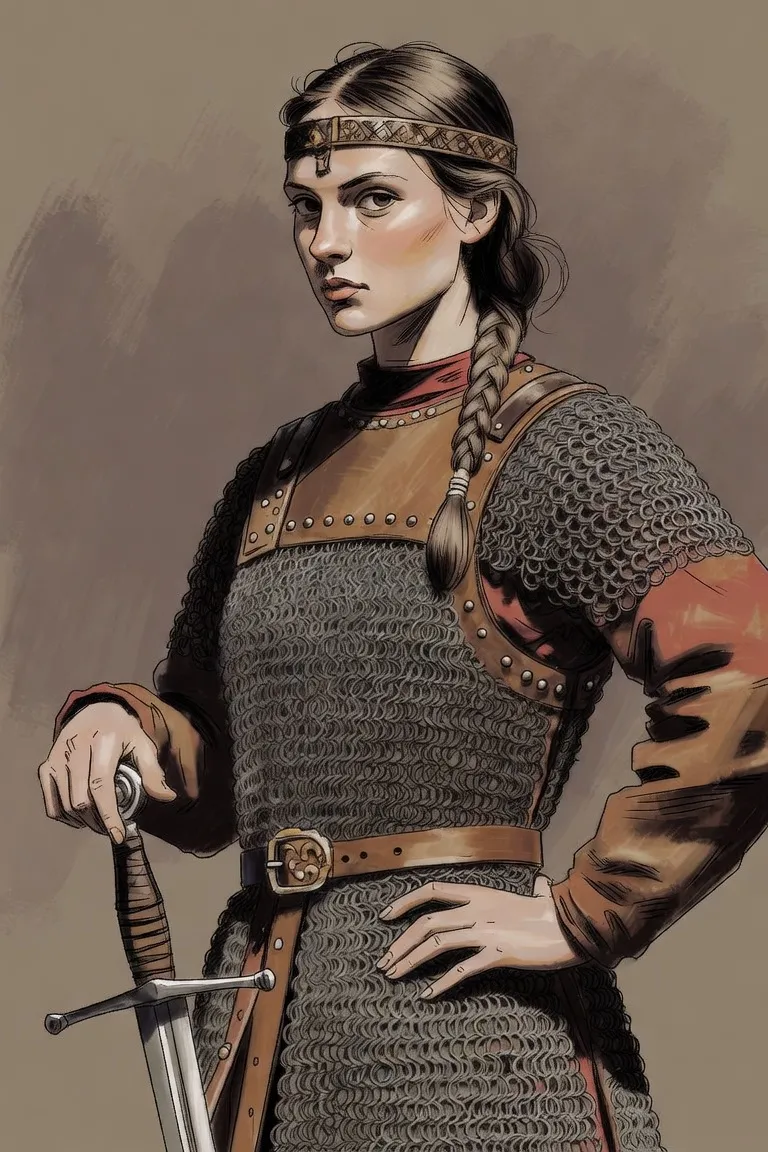
Tactics
Flanks, the direction of attack, zones of control, initiative and different weapons make position just as important as a fighter's stats.
Rotation
Injuries and damaged gear carry over from battle to battle, and treatment takes a fighter out for a whole outing. Reserves aren't a “just in case” stockpile — they are part of the strategy.
Growth
Heroes grow in different ways. Stats, talents, distinctions and two weapon sets let you build different versions of the very same fighter.
Story
Twelve heroes have pasts of their own, ties to one another and personal stories. And the leader you choose shapes how the warband sees the events of the campaign.
Battle
Every turn is a puzzle
There is no universally “right” move in Kenugard. The same fighter can push forward, switch weapon sets, go around an enemy or save their strength — but doing it all at once almost never works out.
What matters is not just dealing the most damage now, but leaving yourself room to keep acting.
Strength is always limited
Stamina is spent on movement, attacks, switching sets and other actions, and every enemy hit takes a little more. And there are two limits: a stamina pool for the whole battle, and turn capacity — the cap on how much a fighter can spend in a single turn.
So you have to count ahead: spend stamina on one step too many now, and there may not be enough left for a strike. Go all out in the first rounds, and a fighter can run out of breath long before the fight is over.
Turn order matters
Fighters take turns by initiative, not side after side.
So the question is often not “whom do I attack?” but “can I take him out before his turn?” Sometimes a weaker strike now is worth more than a stronger one later.
A flank can decide the battle
Every fighter faces one way. A strike from the front, from a half flank — diagonally from behind — or in the back: these are different situations.
Going around raises damage and weakens the shield, while a strike in the back hits hardest and bypasses the shield entirely. So sometimes it pays to spend a turn on positioning rather than attack head-on.
Contact with the enemy changes movement
A fighter with a melee weapon holds a zone of control — the hexes around him. You can leave it, but every such step costs extra stamina, and the enemy gets a strike on the way out.
That is why the front line doesn't just deal damage — it shapes the battlefield.
Weapons and gear
One fighter — several ways to fight
Every hero has two sets — a weapon, with or without a shield — and can switch between them right in the middle of battle. It costs stamina, but not a whole turn.
For some, these are two takes on the same role. For others, almost two different trades of war. A ranged fighter can switch to melee, a shieldman can give up protection for a stronger blow, and an all-rounder can change style to suit the situation.
Weapons are more than different numbers
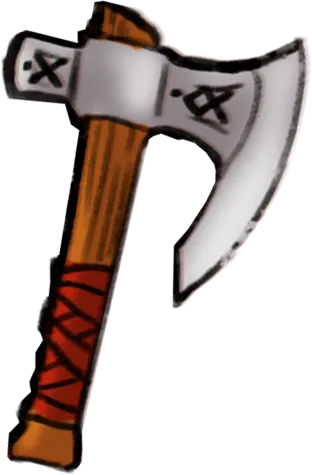
A sword, an axe, a mace, a war hammer, a spear or a scramasax — each does a different job.
Some weapons are steadier and let you carry a shield. Others hit harder or strike several enemies at once, but cost more stamina and force you to take risks.
Ranged weapons differ just as much in range, power, accuracy and ammunition.
- Sword
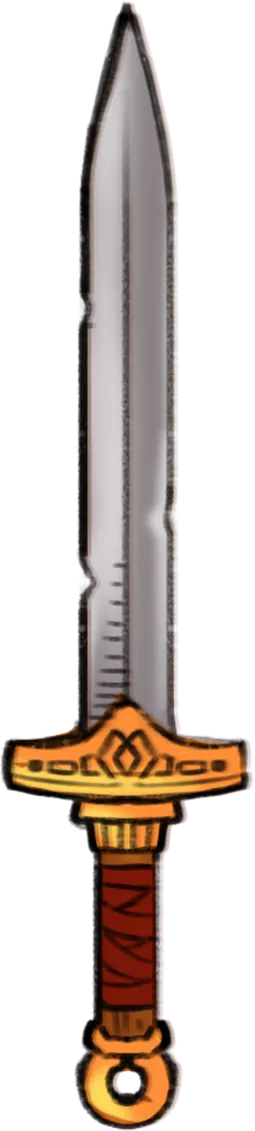
- Axe
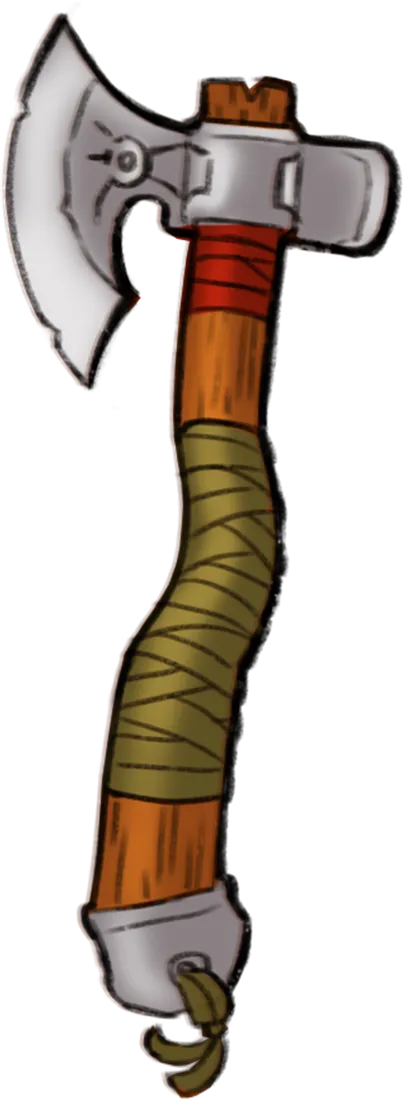
- Mace
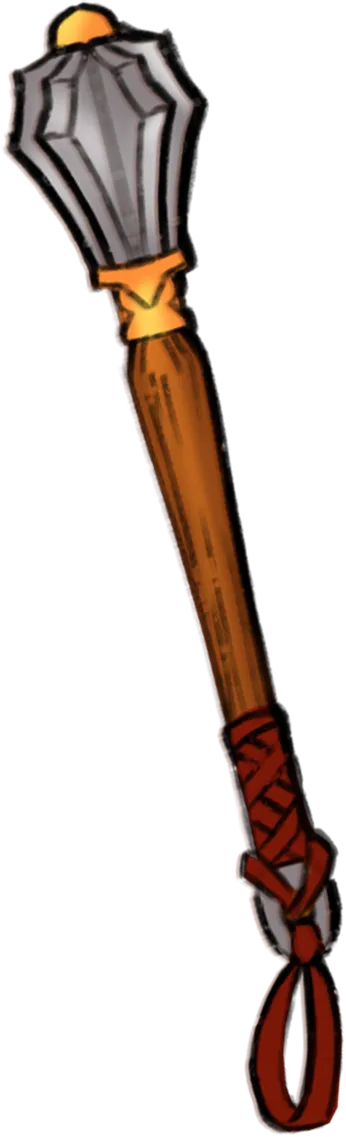
- War Hammer
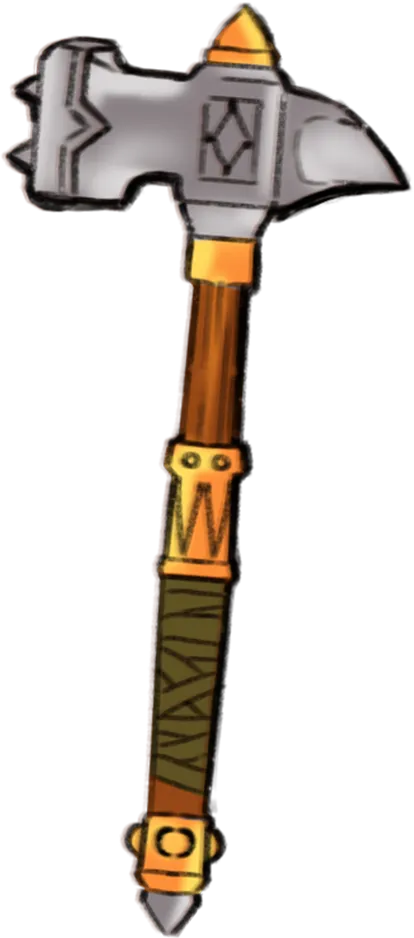
- Spear

- Scramasax
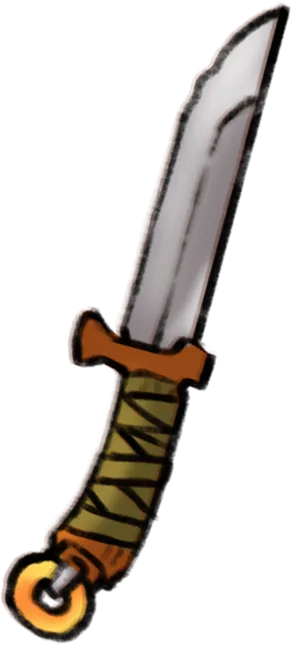
- Bow

- Sling
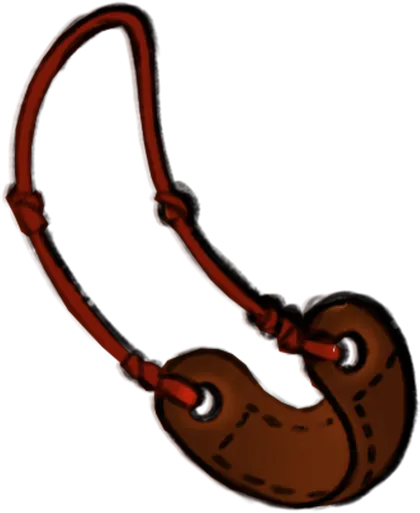
- Fustibal
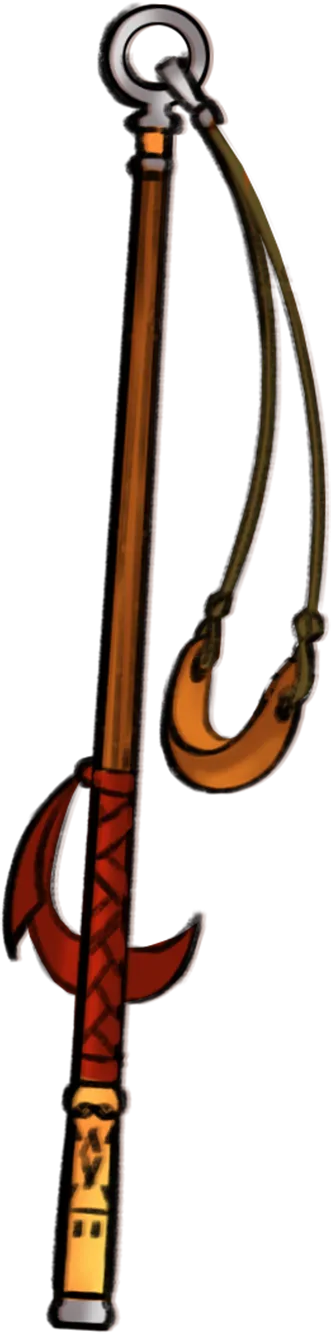
- Sulitsa

- Francisca
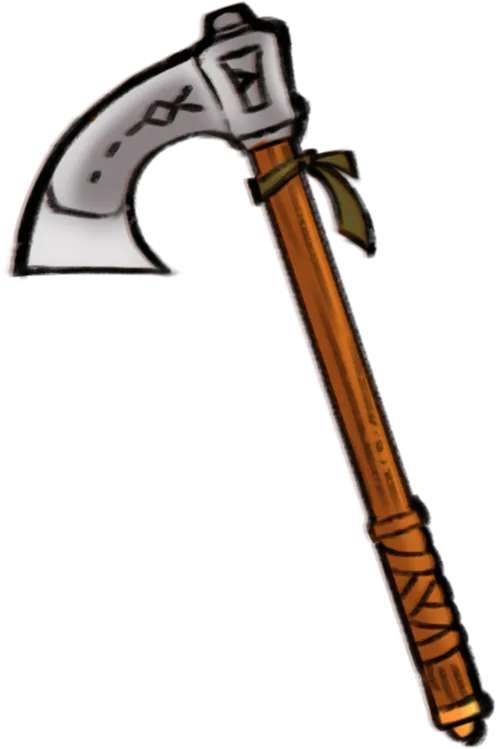
- Throwing Axe
Damage type matters
Slashing, piercing and blunt damage work differently against armor and against unprotected targets.
A heavily armored enemy is better broken down with blunt weapons. Once the armor is broken, slashing weapons become far more dangerous.
That is why the right lineup for your warband depends not only on your heroes' levels, but on who they are marching against.
- Light Armor
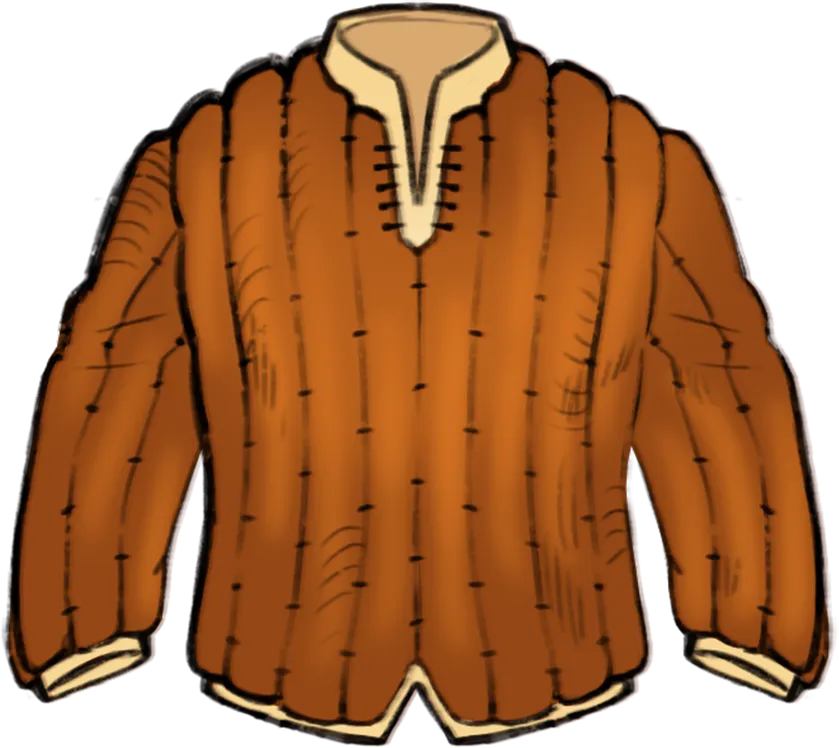
- Medium Armor
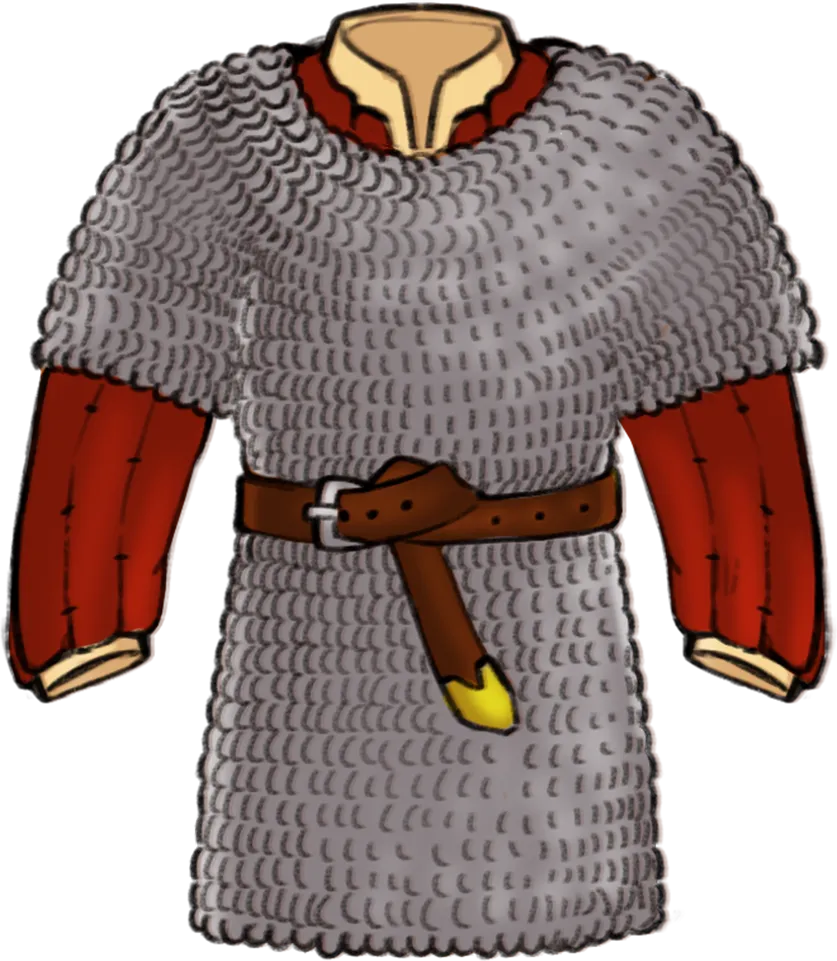
- Heavy Armor
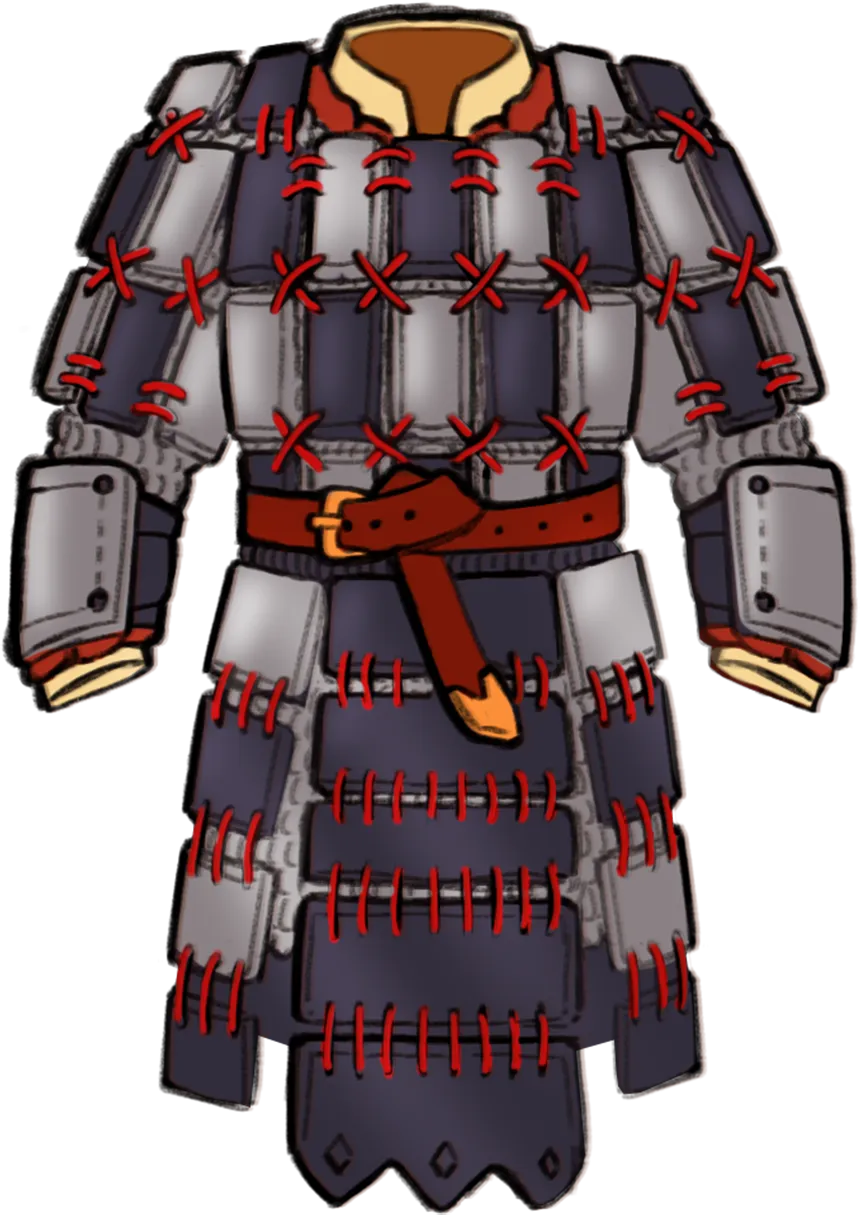
Warband management
You're not managing a squad for one battle — you're managing a warband
The strongest lineup today can turn out to be the worst decision tomorrow.
Fighters get injured. Armor and shields wear down. Part of the warband needs treatment, part needs its gear repaired, and some are better left in reserve ahead of a harder fight. That is why every next battle begins back in camp.
Rotation isn't an optional extra or a way to optimise your playthrough. It is part of the core strategy.
A small “core” won't carry you through the whole game: a single battle has room for at most five, injuries carry over from battle to battle, and treatment takes a fighter out for a whole outing. If a key fighter has no trained replacement behind them, sooner or later the warband will face a battle without a role it needs.
The price of victory
Winning isn't all that matters
The battle doesn't end on the victory screen.
One outcome can leave the warband almost unscathed; another can send several key heroes to the Infirmary and leave vital gear broken.
That is why Kenugard keeps asking a second question:
not just “did I win?”,but also “what did this victory cost me?”
Camp
Getting the warband back into the fight
Between outings, the warband returns to camp.
Here you allocate not combat actions but time and opportunities: whom to heal, whose gear to repair, whom to train and whom to prepare as a replacement for battles to come.
Camp is where the consequences of the last battle turn into decisions before the next one.
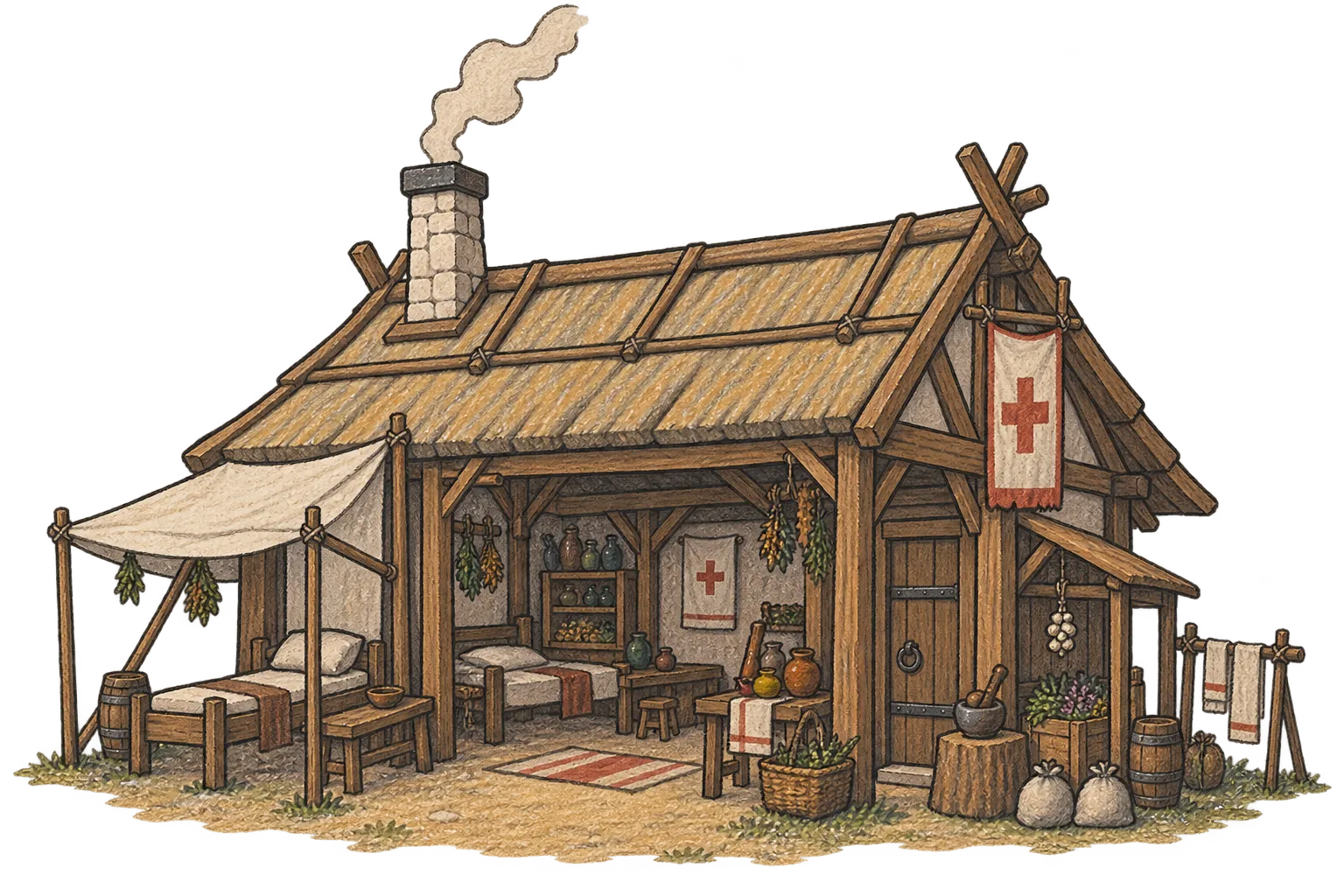
Infirmary
Bandaging, treating injuries and hardening.
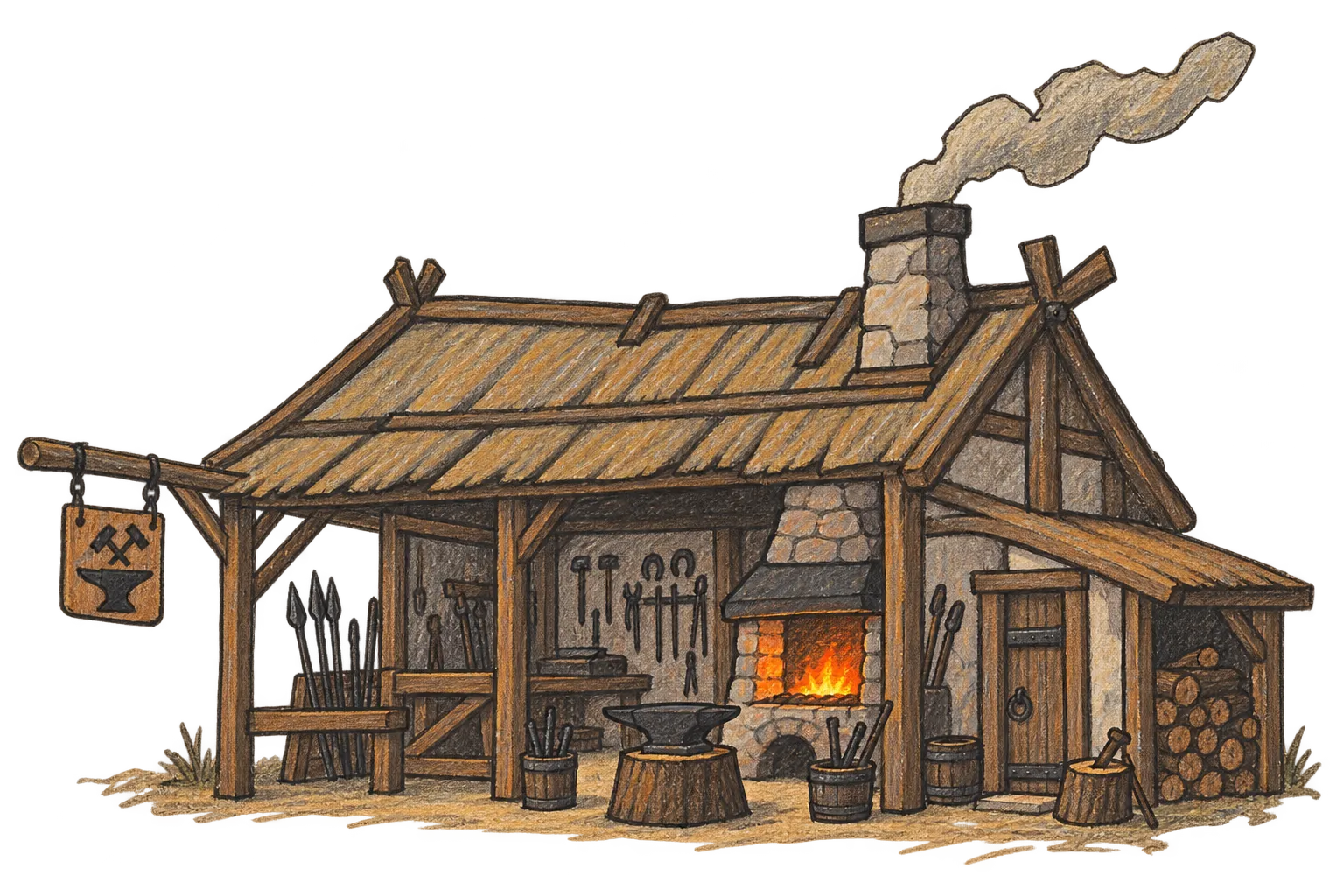
Smithy
Repairing and upgrading armor and shields.
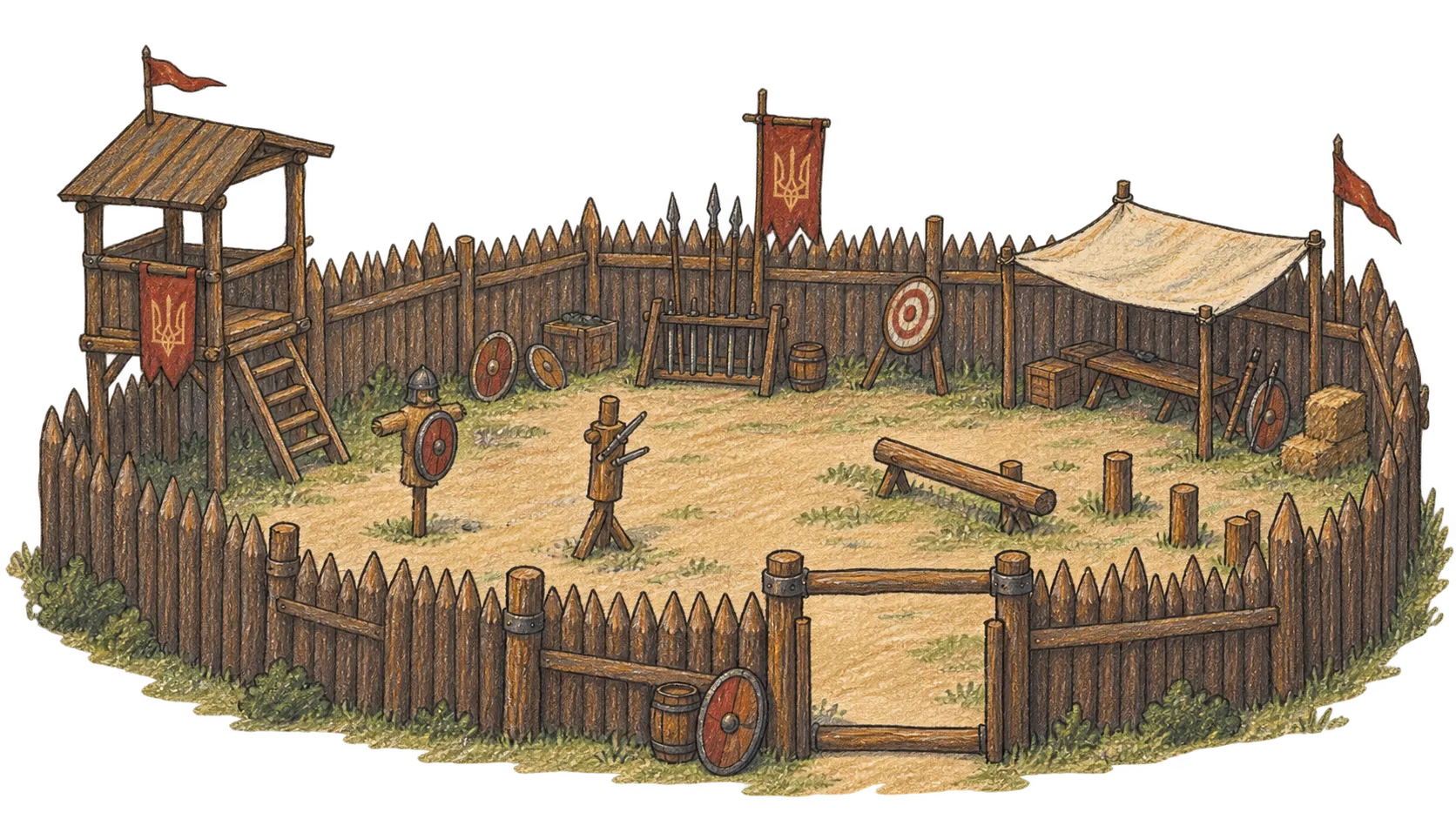
Training Yard
Developing stats and talents.
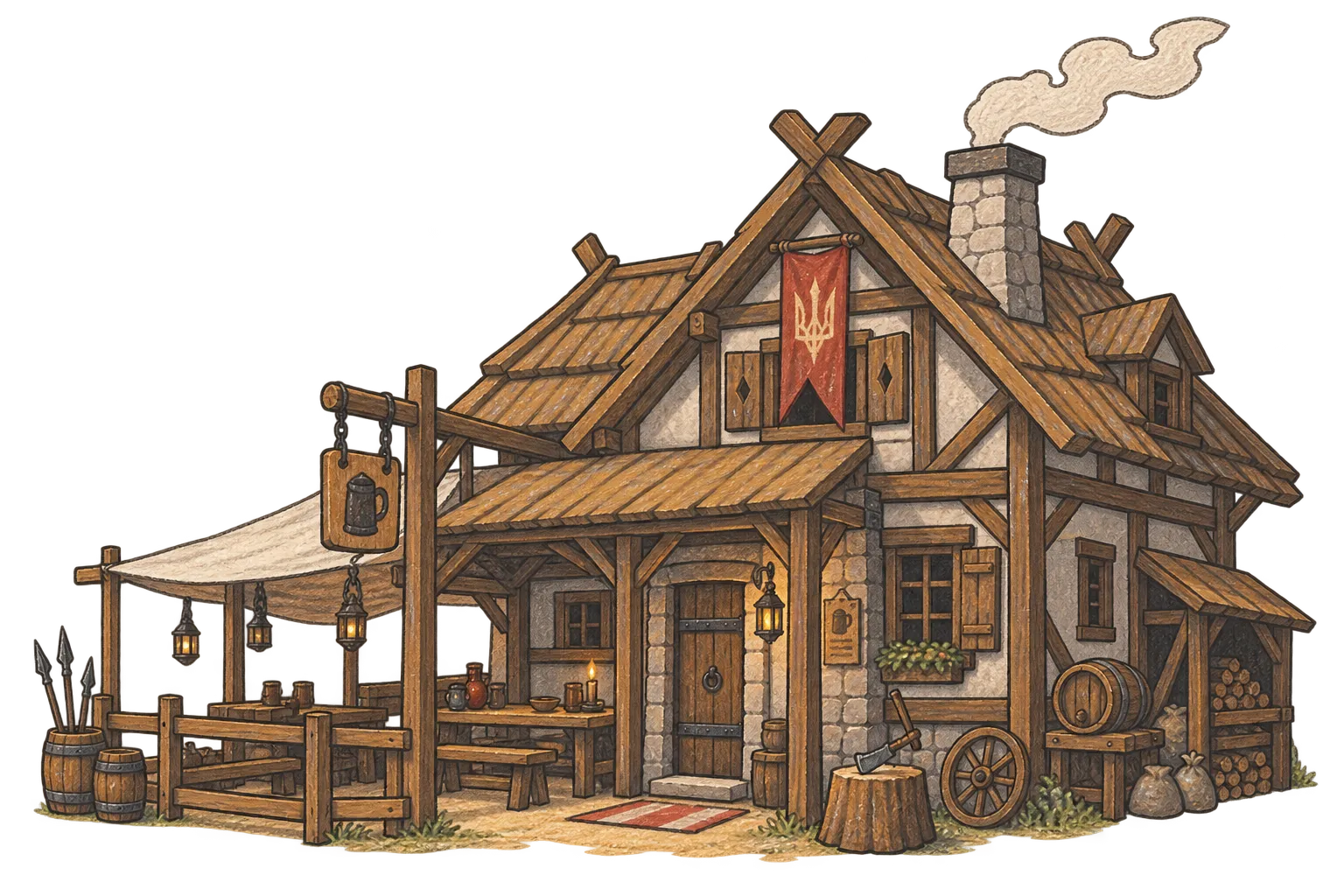
Tavern
New people for the warband — only one from each offer.
Leaders
Choose who tells this story
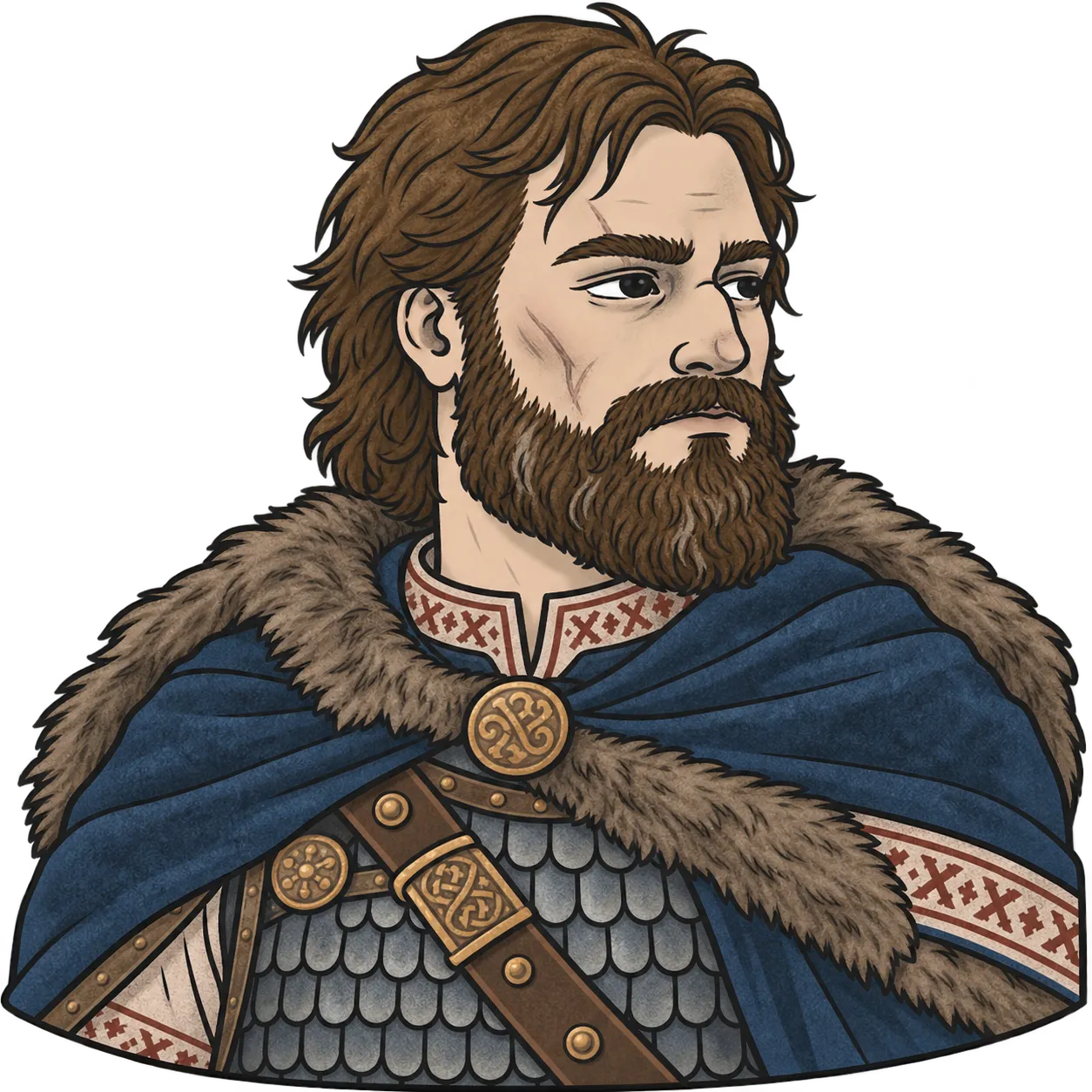
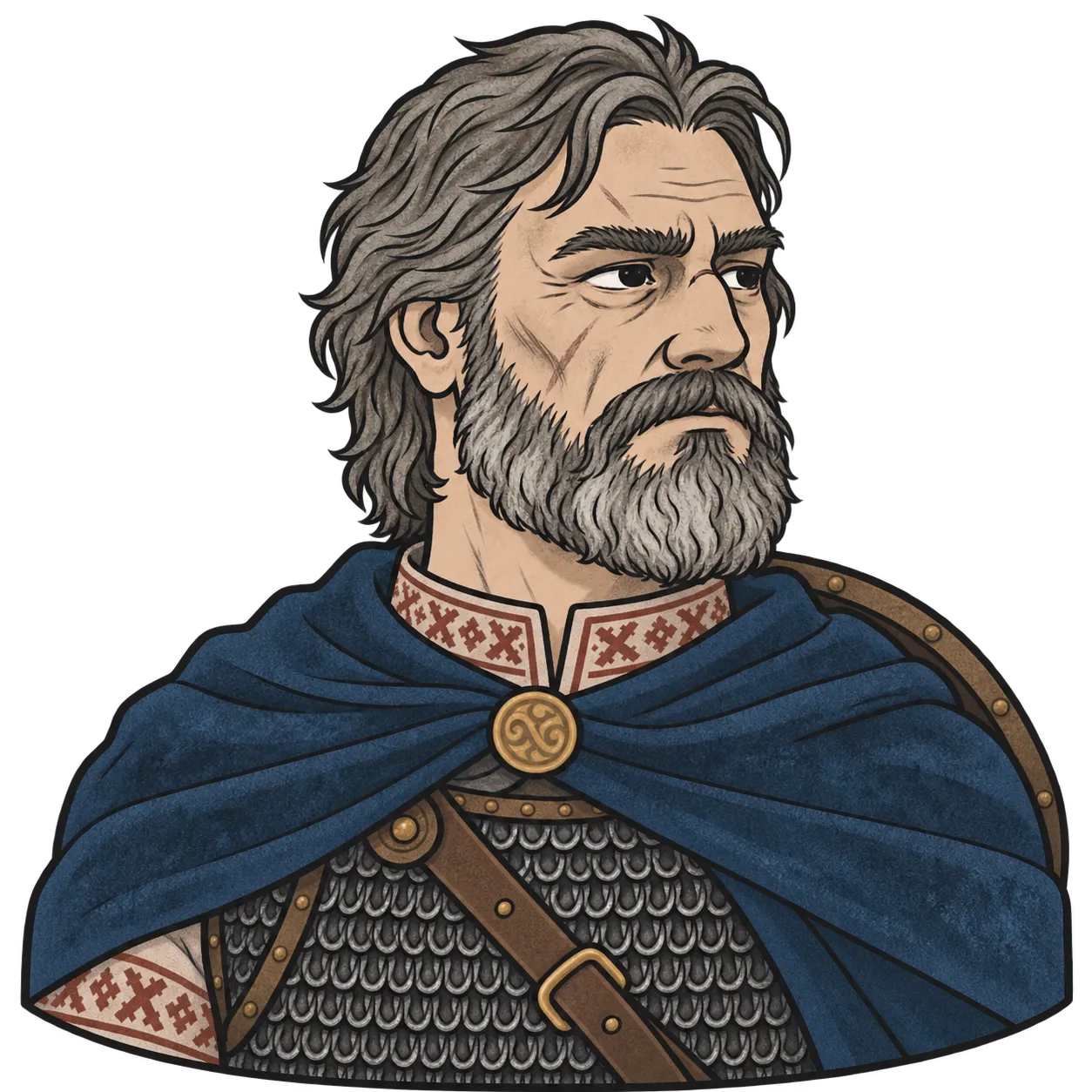
Dzvenyslava, Liutobor and Ratybor set out together, but each of them sees people, events and what the warband must do differently.
Choosing a leader comes down to more than a combat bonus. It sets the perspective from which the player sees the campaign: the dialogue, how events are judged, how allies and enemies are regarded.
The war stays the same war. But what it means to the warband changes with whoever stands at its head.
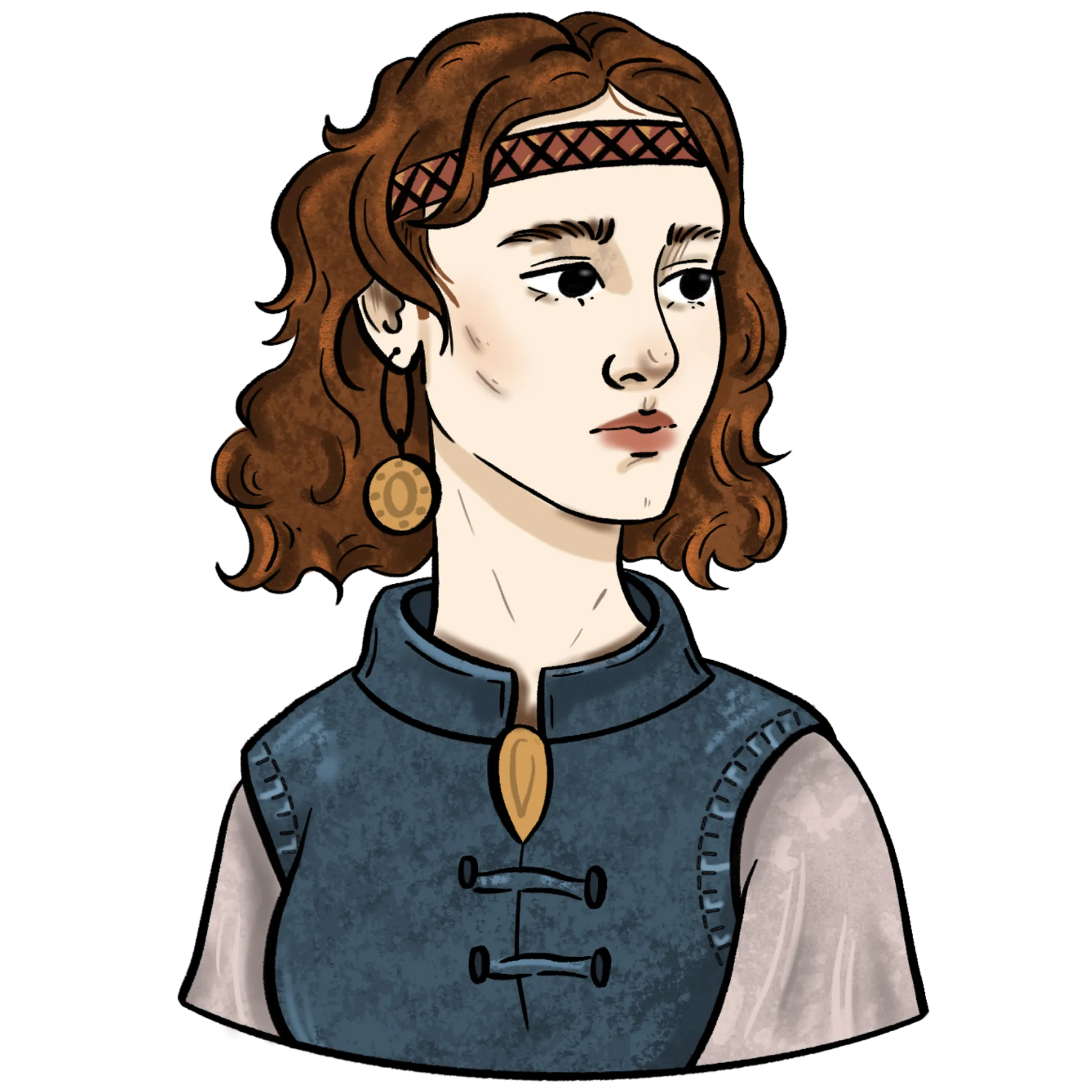
Archer, scout and guide
Dzvenyslava
Through the leader's eyes
Dzvenyslava wants to understand where the raiders' tracks lead and whom they depend on. Roads, stopping places and news give an advantage to whoever knows more about them. She trusts promises of safety less than the freedom to choose another path. There are people in the warband she chooses to stay for. Someone chose this road for their escape. She is curious why this road in particular.
In battle
An accurate archer who controls a fight from range. She is at her best when she can choose her position and shoot without pressure. If an enemy closes to arm's length, she is markedly weaker than a dedicated melee fighter.
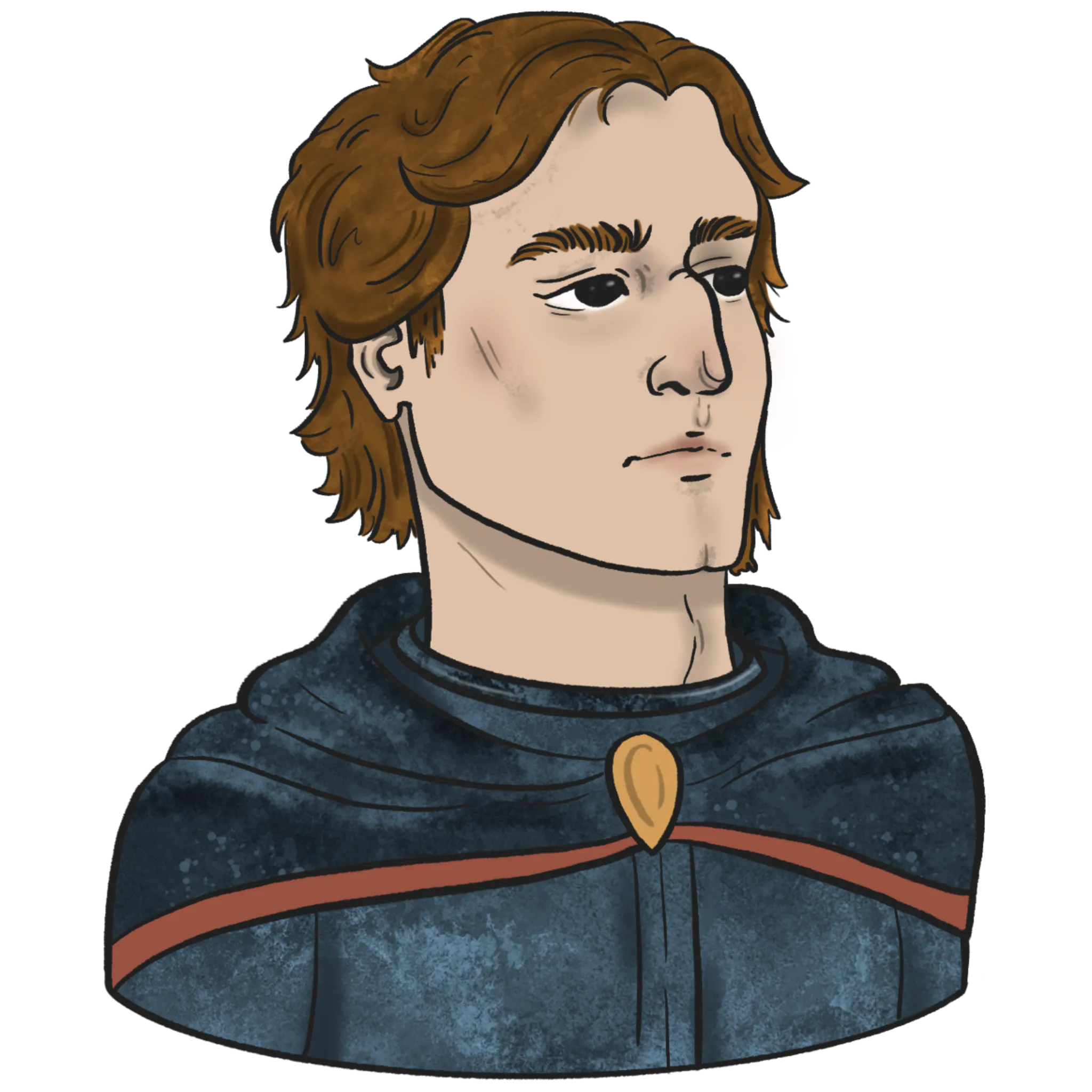
Shock fighter and formal heir of the fallen commander
Liutobor
Through the leader's eyes
Liutobor wants raiders to fear attacking frontier villages again. Defeating the Tati is not enough — people must hear of the victory. He is ready to give his word, share the spoils and step forward when people need someone to follow. His father's banner is already in his hands. Now he wants them to remember the man who carries it.
In battle
A front-line shock fighter who changes style to suit the situation. The spear lets him reach the enemy first and work through their ranks; sword and shield carry the fight on at arm's length. He can do more in a turn than most, but his aggressive style and middling protection leave little room for error in a drawn-out fight.
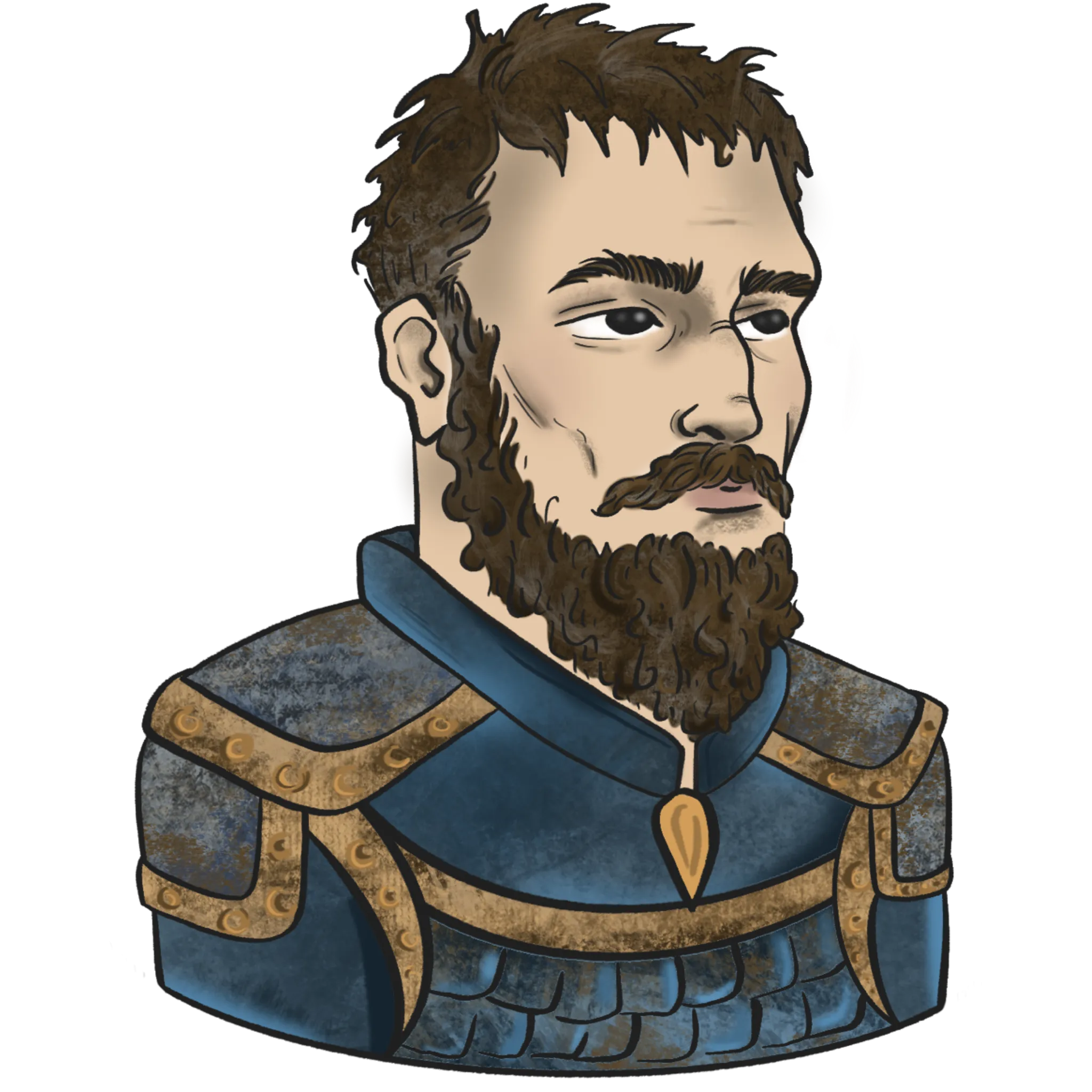
Shieldman, seasoned fighter and the warband's de facto elder
Ratybor
Through the leader's eyes
Ratybor thinks of those who will still use the road after the warband moves on. Defeating one band will not protect the next caravan if no one is left to hold the crossing. He wants to restore an order in which paying for protection means being protected. He knows his part of the work. The question is who else will agree to do theirs.
In battle
An experienced shieldman who holds the front line and absorbs enemy pressure. He is not always the one to finish a fight quickly, but he gives the rest of the warband time to take the positions they need. Strongest where the task is to hold out, not to cut the enemy down fastest.
Twelve heroes
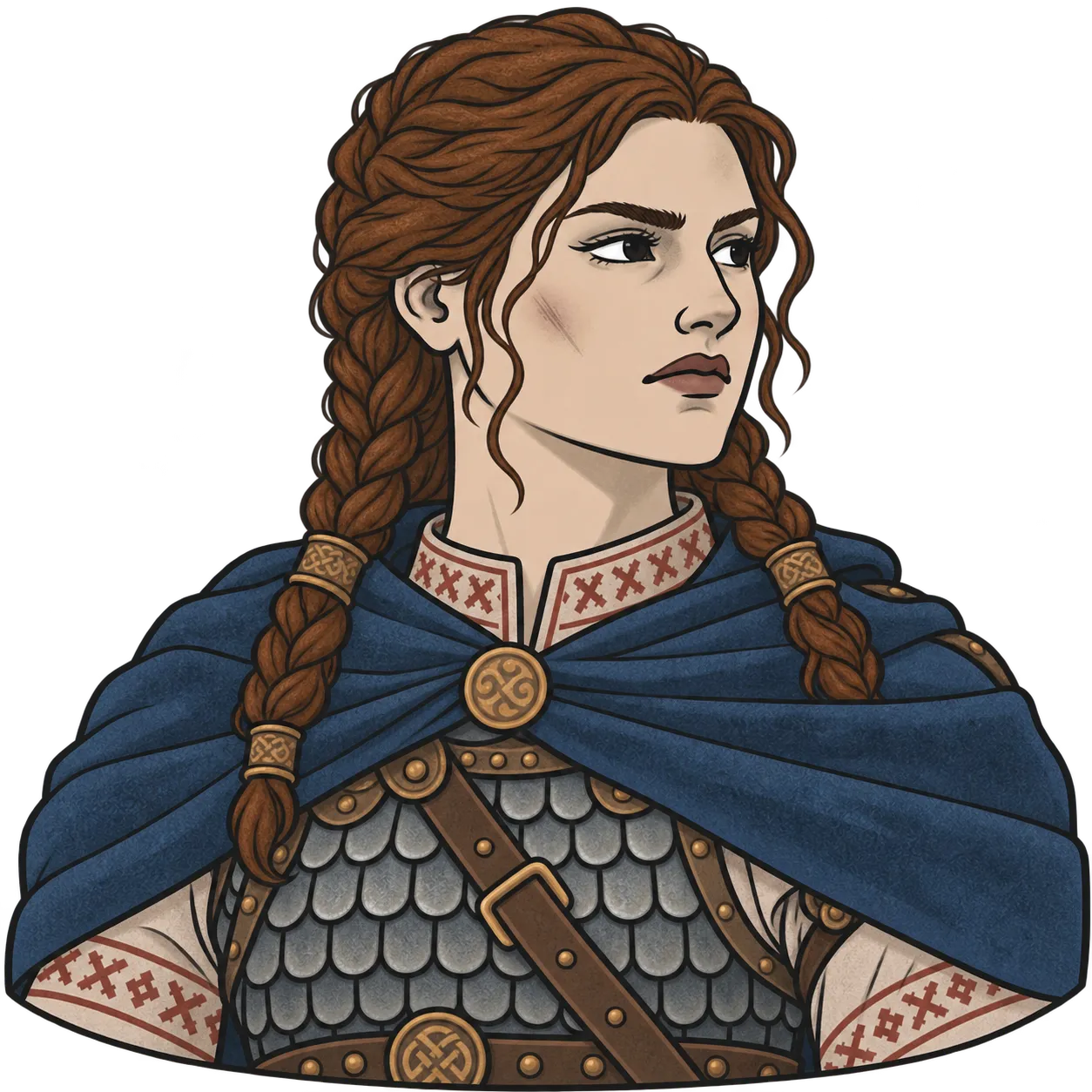
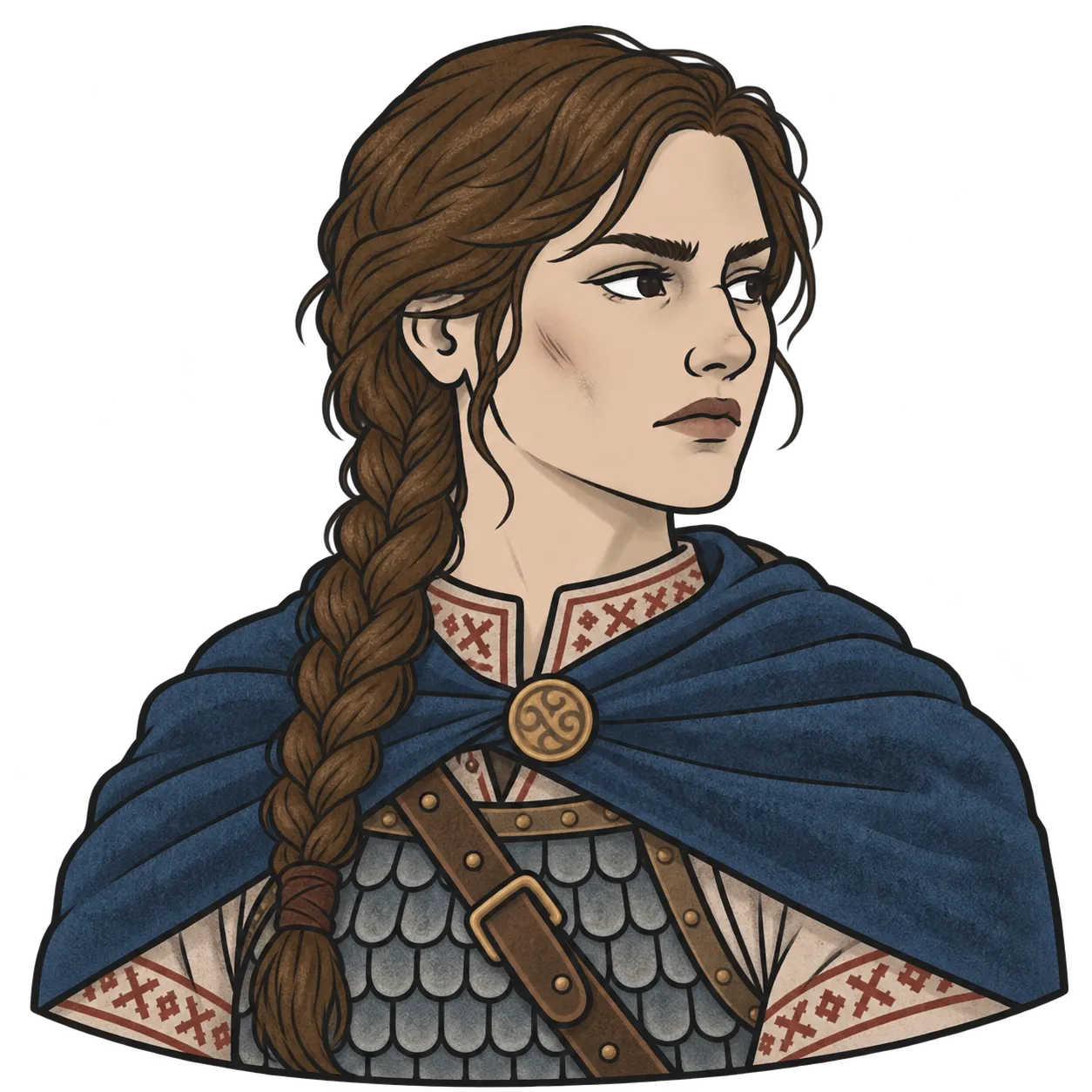
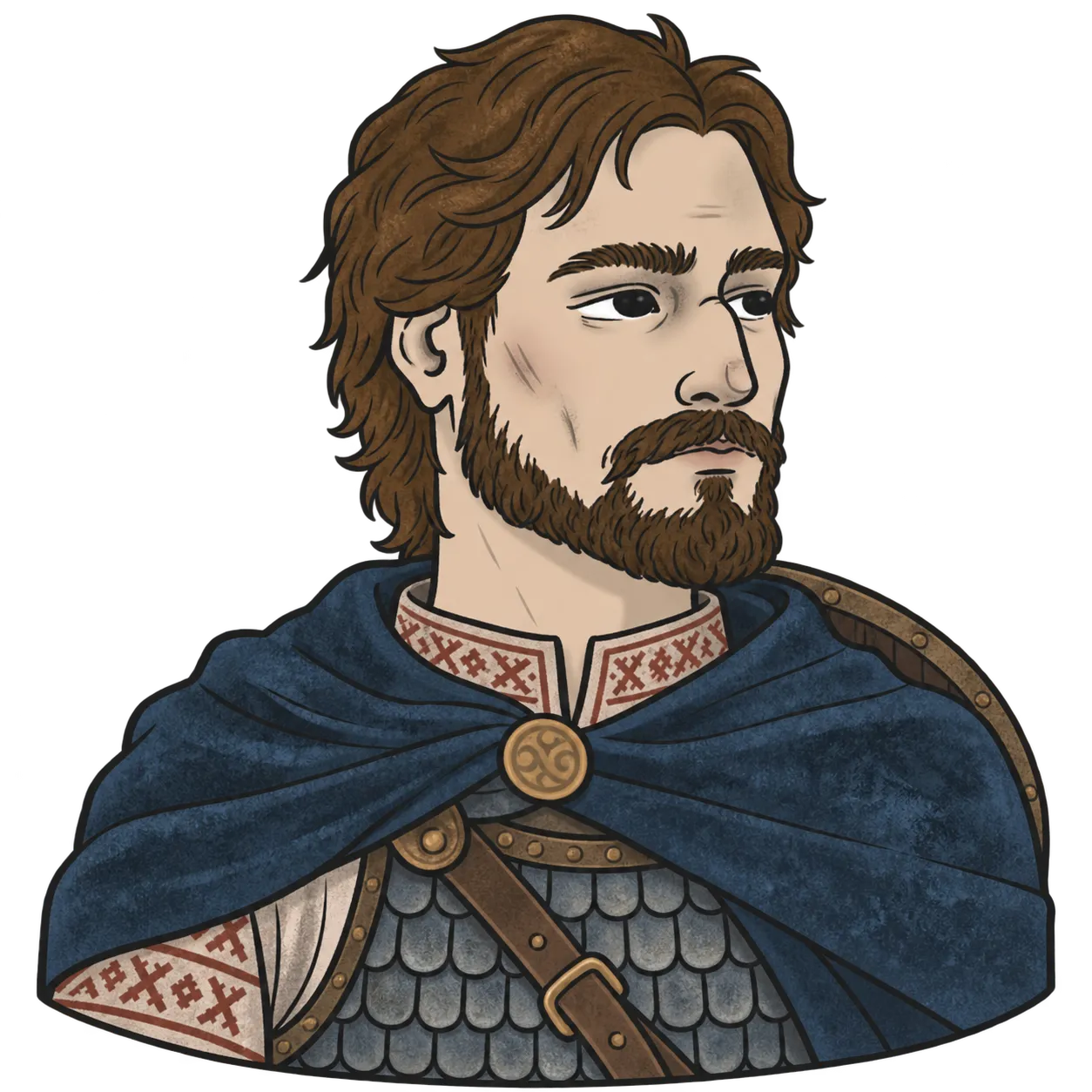
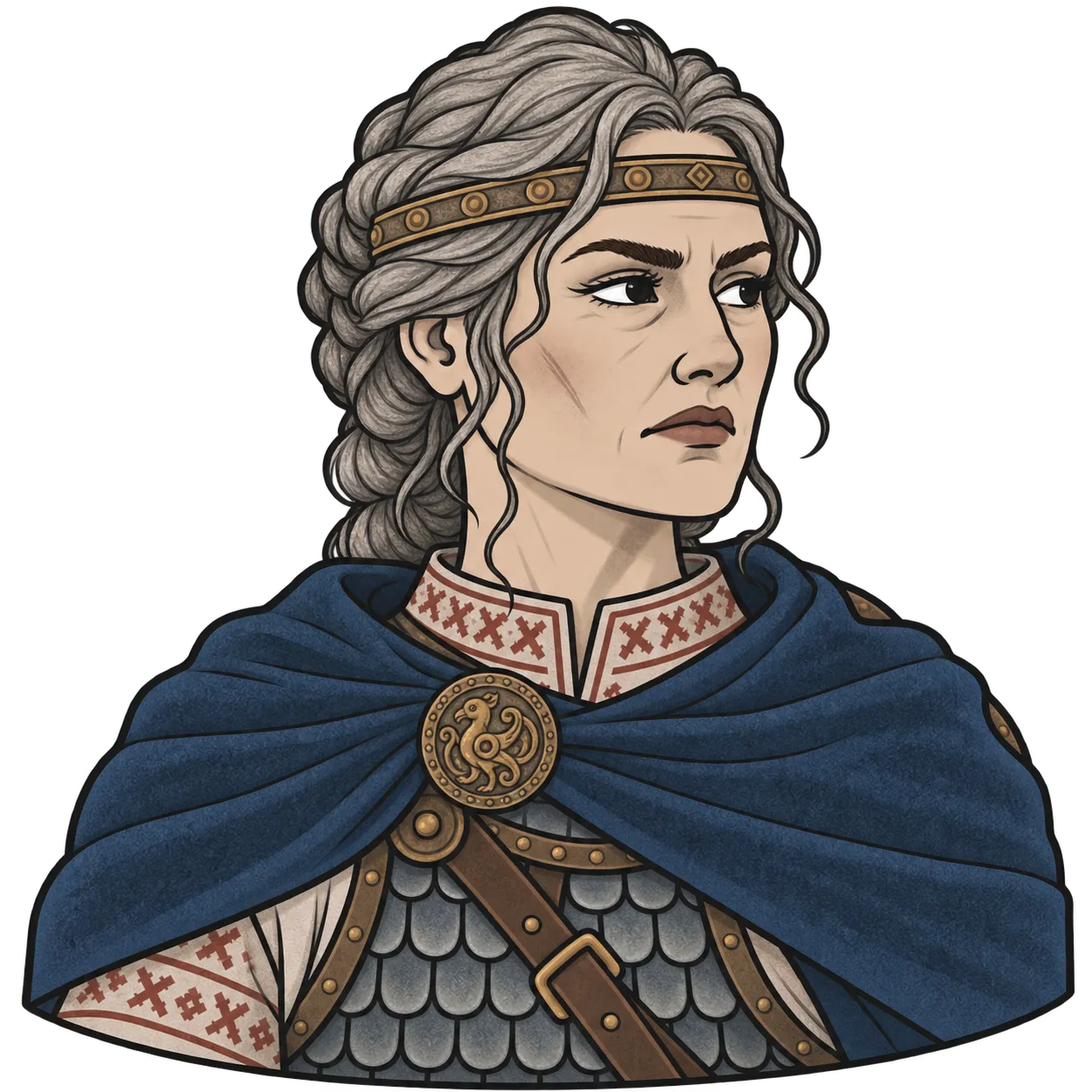
Twelve people. One warband can't take them all
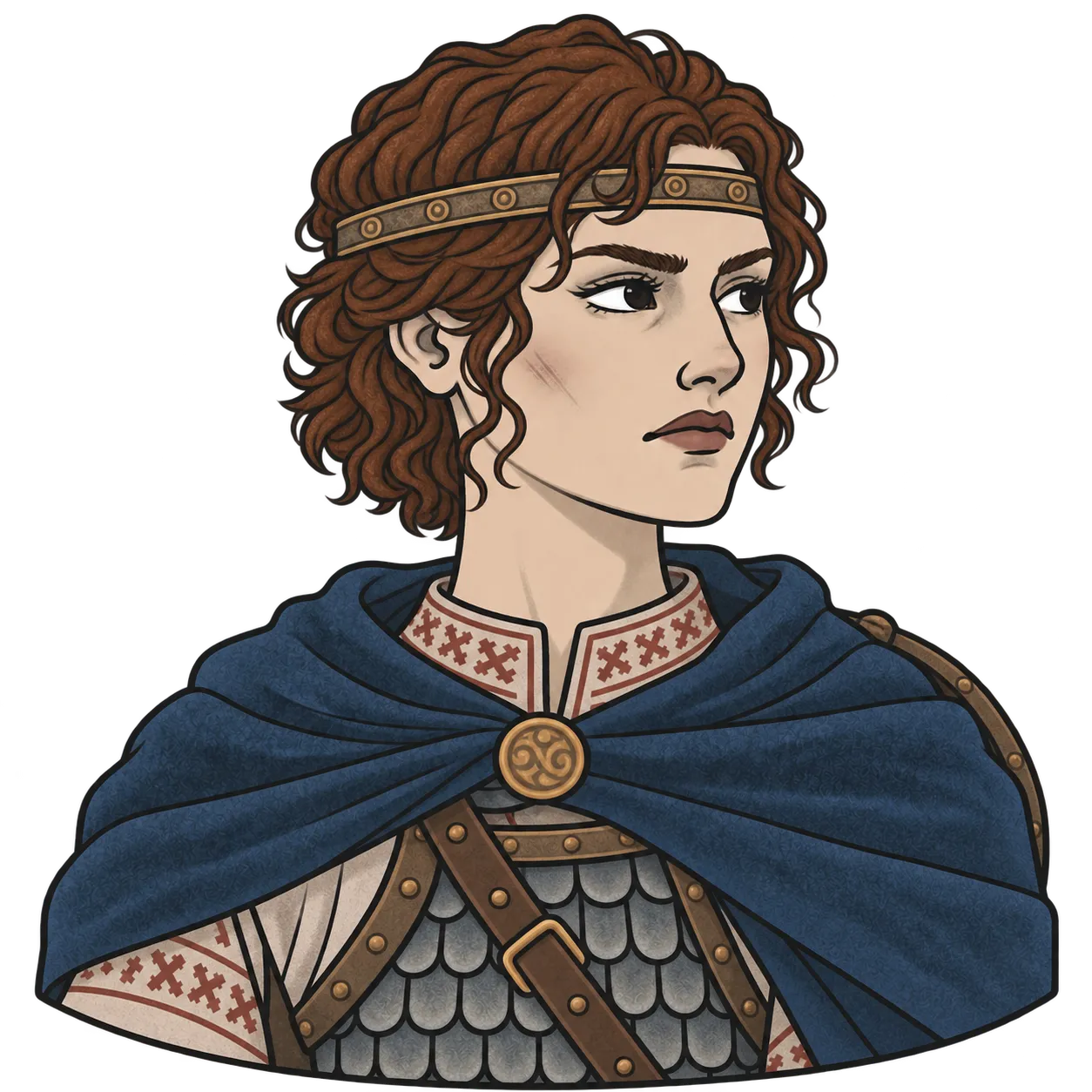
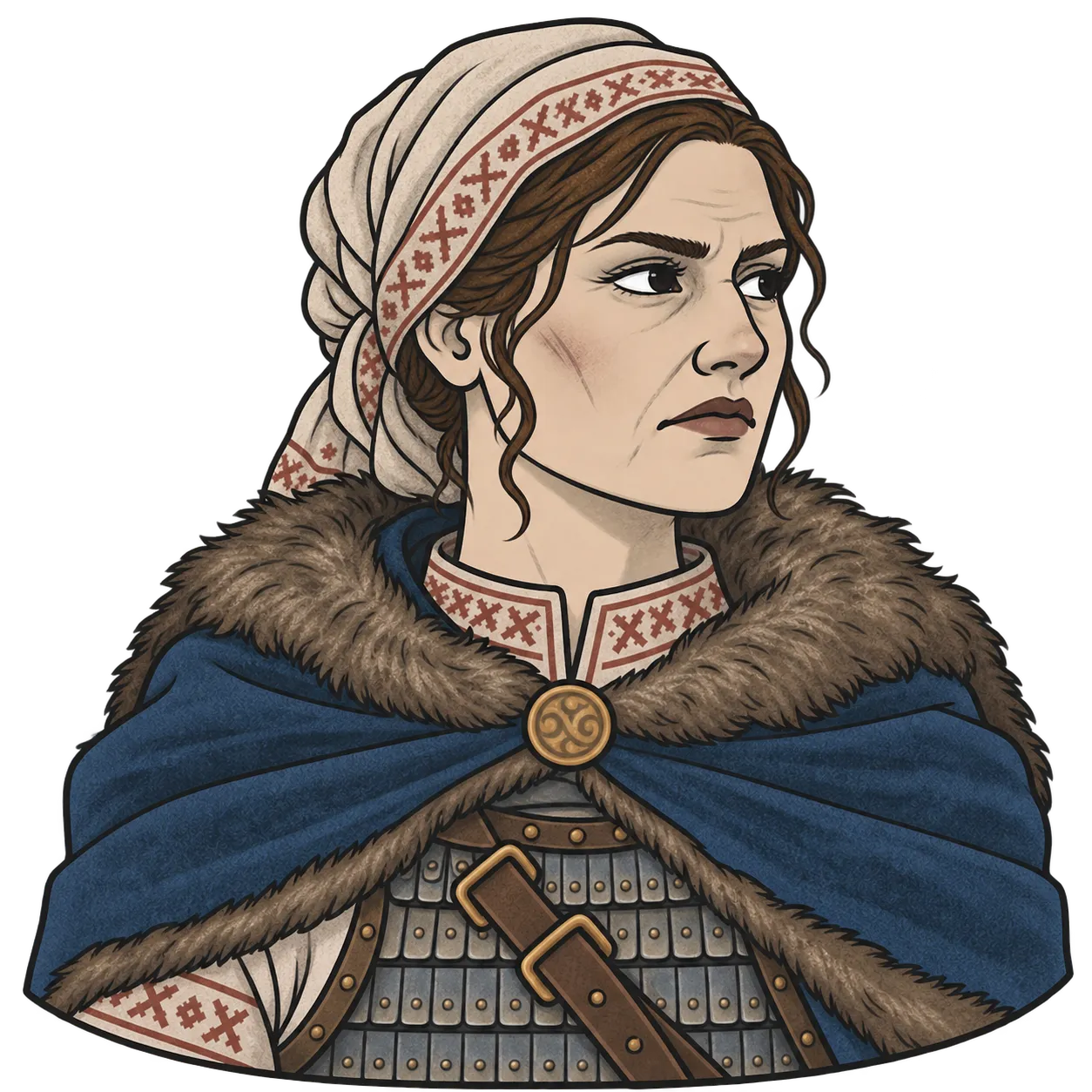
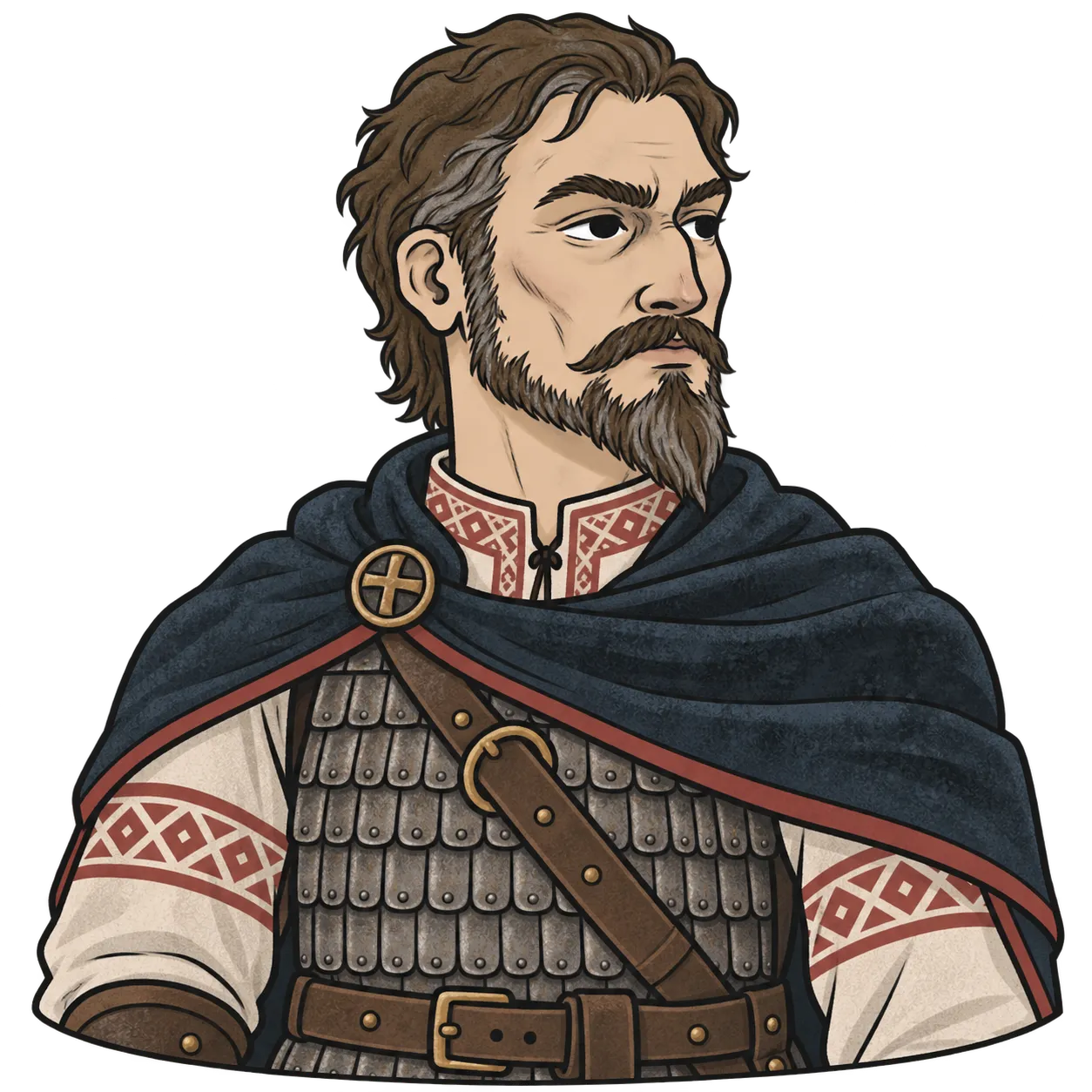
The game has twelve named heroes, but in a single playthrough at most nine will join the warband: you can take only one from each recruitment offer.
These aren't nameless classes or interchangeable units. Each has a character of their own, a combat profile, a past and ties to other heroes. So the makeup of your warband is a combat choice and a story choice at once.
Personal stories
Everyone has something they left behind
The heroes' biographies don't exist in isolation from one another. They served together, met the same people, witnessed the same events — and remember them differently.
In time, each hero gets a personal sortie of their own — a separate story in which they have to return to an unresolved part of their past.
These missions do more than add one more battle. They complete the character's personal story and grant them a unique distinction.
Hero growth
The same hero needn't stay the same
A hero starts from a fixed foundation, but how they develop from there is up to the player.
Stat points, new talents, distinctions, training and the choice of weapon set let you shift the emphasis in different directions. Two players may get the same hero — but a few levels later they will be two different fighters.
Not all stats simply grow together. You have to decide what to invest in and what to give up.
Lineup
There is no single best lineup
Before a battle, the question isn't only who is stronger.
One enemy forces you to bring blunt weapons against armor. Another calls for more archers. Against shieldmen you need flanking moves or weapons that can break defences.
But the hero you want may be in treatment just then, and the shieldman you need may be left without serviceable gear.
So a squad is born where three things meet:
- who you want to take
- who is available right now
- who is needed against this particular enemy
Three kinds of activity
One warband — three kinds of trial
Kenugard isn't one endless line of battles.
Campaigns, personal sorties and expeditions pursue different goals and develop the warband in different ways.
Campaign
Moving the story forward
- Scale
- 3 campaigns of 12 stages
- Main goal
- Story, new enemies and new opportunities
- Reward
- New heroes, camp buildings, access to sorties and expeditions
Sortie
Developing one particular hero
- Scale
- 1 battle: a hero and a companion
- Main goal
- Complete the hero's personal story
- Reward
- A personal distinction — a permanent boost
Expedition
A trial for the whole warband
- Scale
- 2–4 battles in a row with no camp
- Main goal
- Test whether the warband works as a whole
- Reward
- Expanded camp buildings, a band award, firewood for a Long Rest
A campaign moves the playthrough forward.A sortie develops a hero.An expedition develops what the warband can do.
All the roads: campaigns, sorties and expeditions →Expedition rewards
Expeditions don't change one hero — they change what the whole warband can do
Camp buildings are unlocked by the campaign. Expeditions expand them: new procedures in the Infirmary, upgrades and a second anvil in the Smithy, new exercises and pillars in the Training Yard.
The longest expeditions grant a band award — a permanent boost for everyone in the squad at that moment. And every expedition brings firewood for the Long Rest, which puts the whole warband back on its feet in one go.
- Sortie
- growth for one hero
- Expedition
- growth in what the whole warband can do
This is how the loop works:
- a stronger warband
- a harder expedition
- new ways to grow
- an even stronger warband
Not a few extra percent of power, but a whole new layer of growth.
Enemies
Every enemy demands a different answer
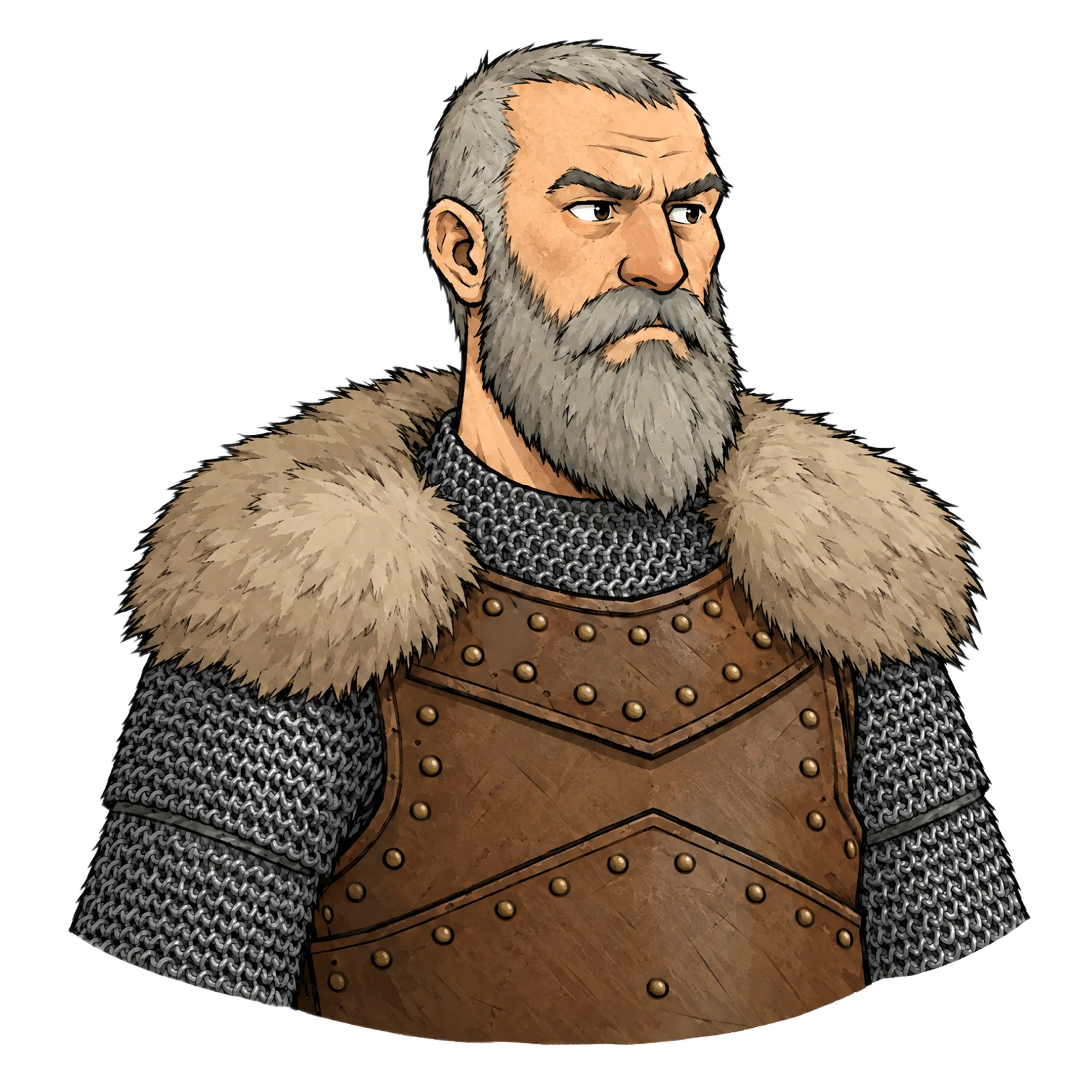
The Tati, the Liakhs and the Suzdalians differ in more than looks.
Each faction leans on its own stats and gear. A lineup that handles a light, mobile band well can suddenly prove awkward against a heavily armored warband.
Setting
Kyivan Rus’ without magic
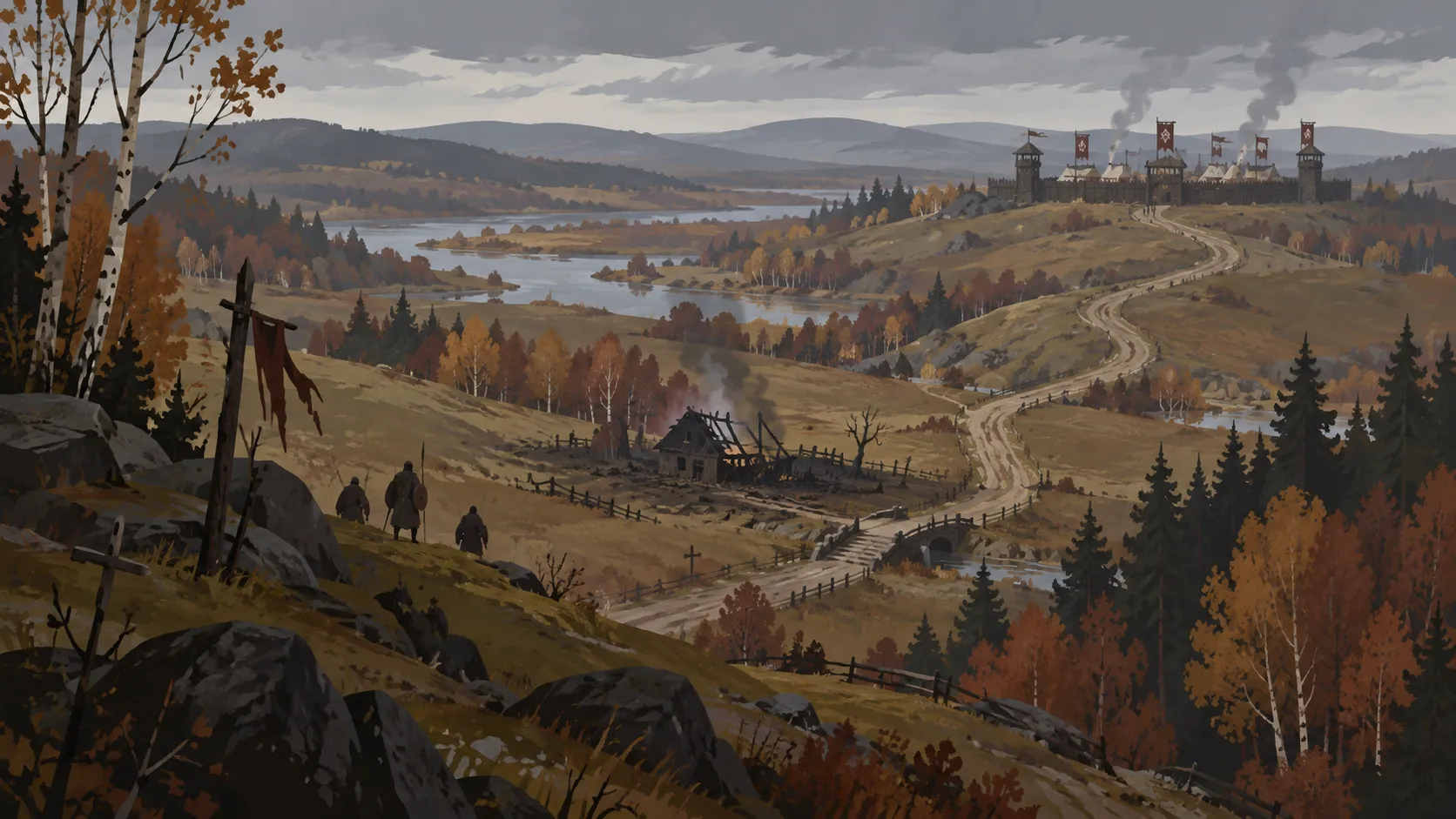
The 12th–13th centuries. Kyivan Rus’ in its age of fragmentation.
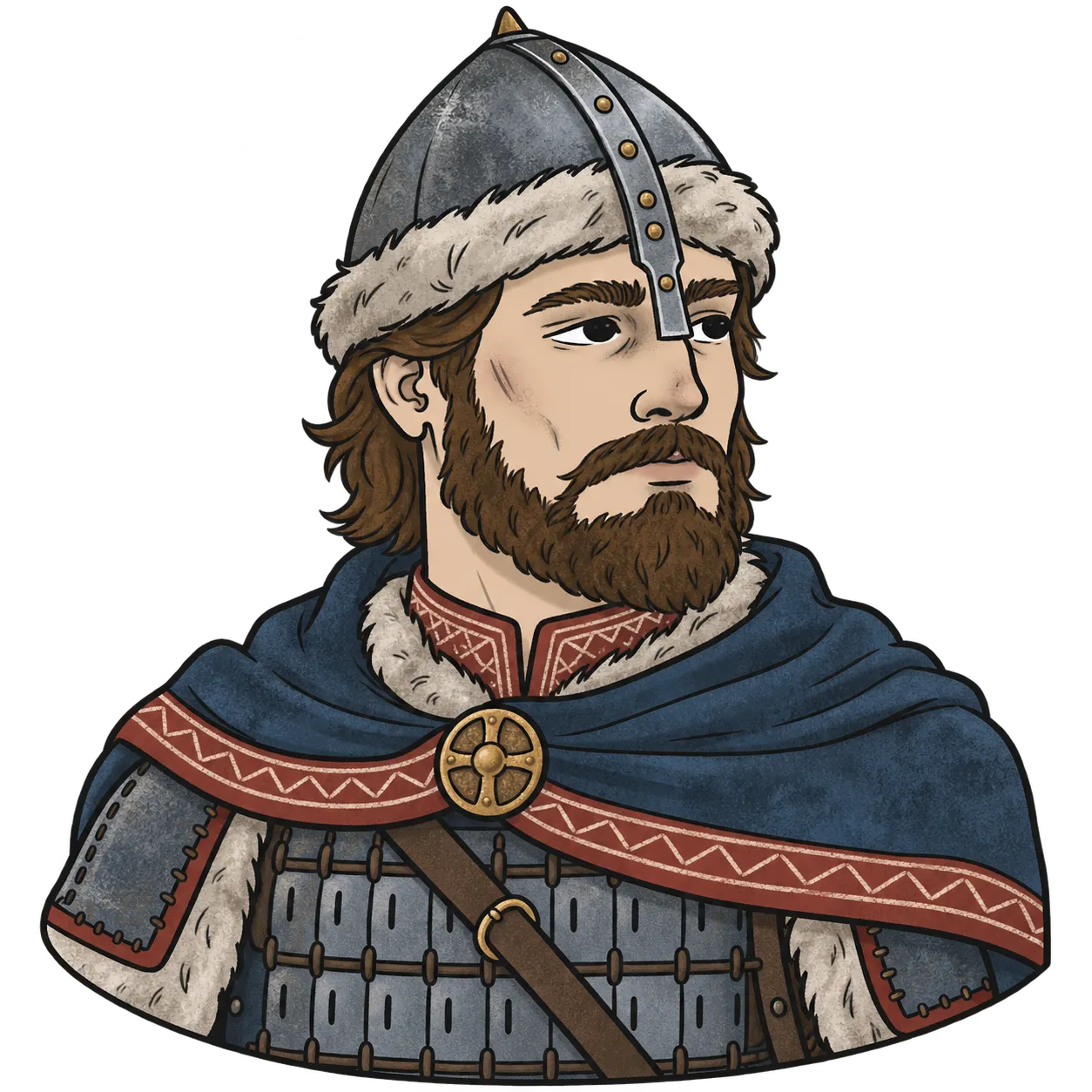
No wizards, no monsters, no fantasy bestiary. The world rests on people, weapons, politics, war and the roads of medieval Rus’.
The historical setting doesn't turn Kenugard into a simulator. It provides the world, the conflicts, the factions, the weapons and the image of the warband, while the tactical game stays at the centre.
Screenshots
From the battlefield
Play
Where to find Kenugard
You can play in the browser right now — no install, no sign-up. Steam, Android and iOS are coming later; the links will appear here.